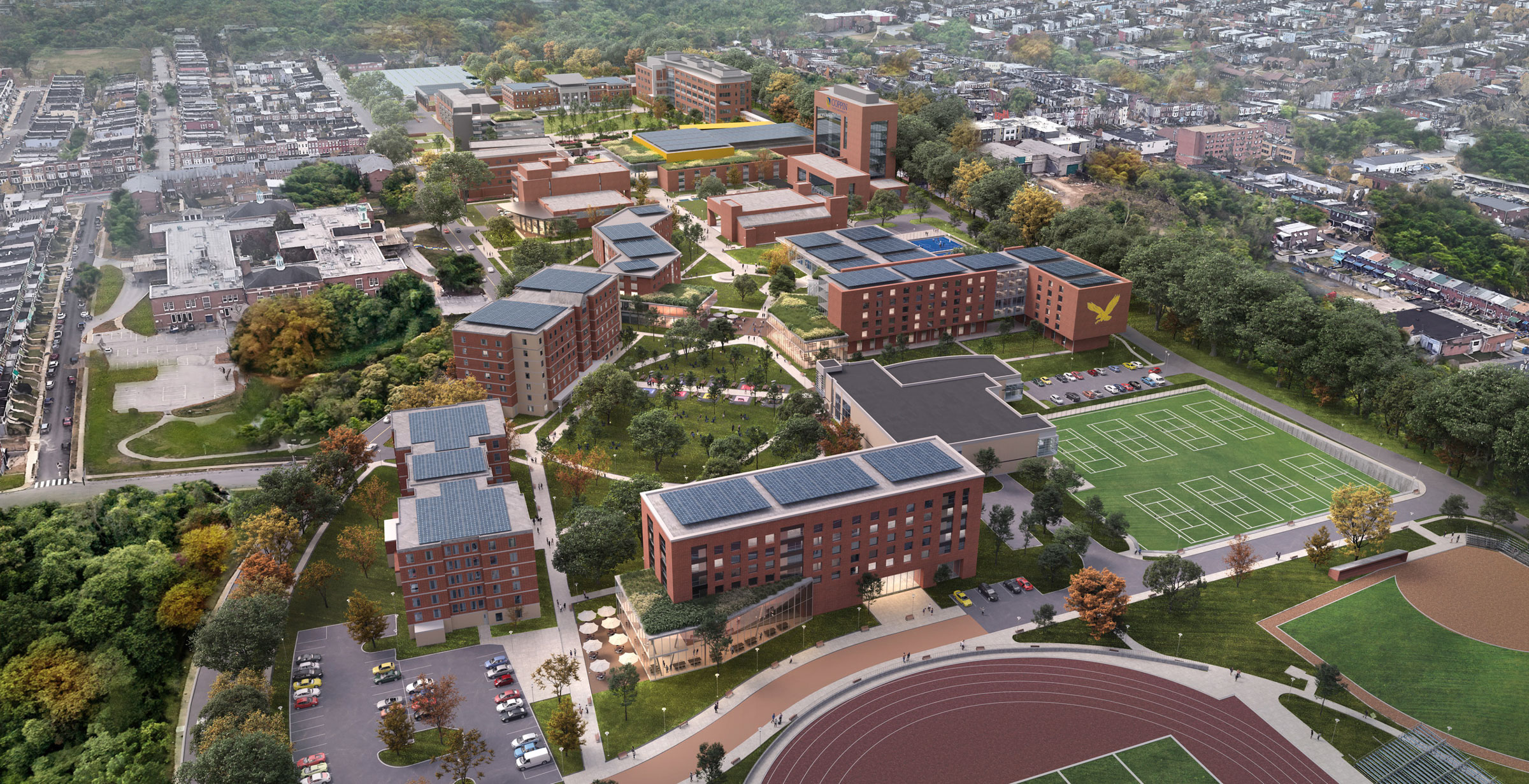
Over the past decade, Ayers Saint Gross has designed more than 10,000 beds for universities and colleges across the country. Through this experience, we have learned that one size does not fit all. Each academic institution is unique and its student residence halls must be tailored to the particular culture of the campus.

The classroom is not the only place where important lessons are taught. Today’s students require a variety of environments where learning can occur through structured , collaborative and informal activities. These spaces can be distributed throughout the campus, from casual outdoor settings to study areas within residence halls.

The residence life experience is a critical component of learning and development for higher education students. Residence hall design offers unique opportunities to facilitate outside the classroom learning, particularly in the area of sustainability.

See animated renderings of the library at Mount Vernon.

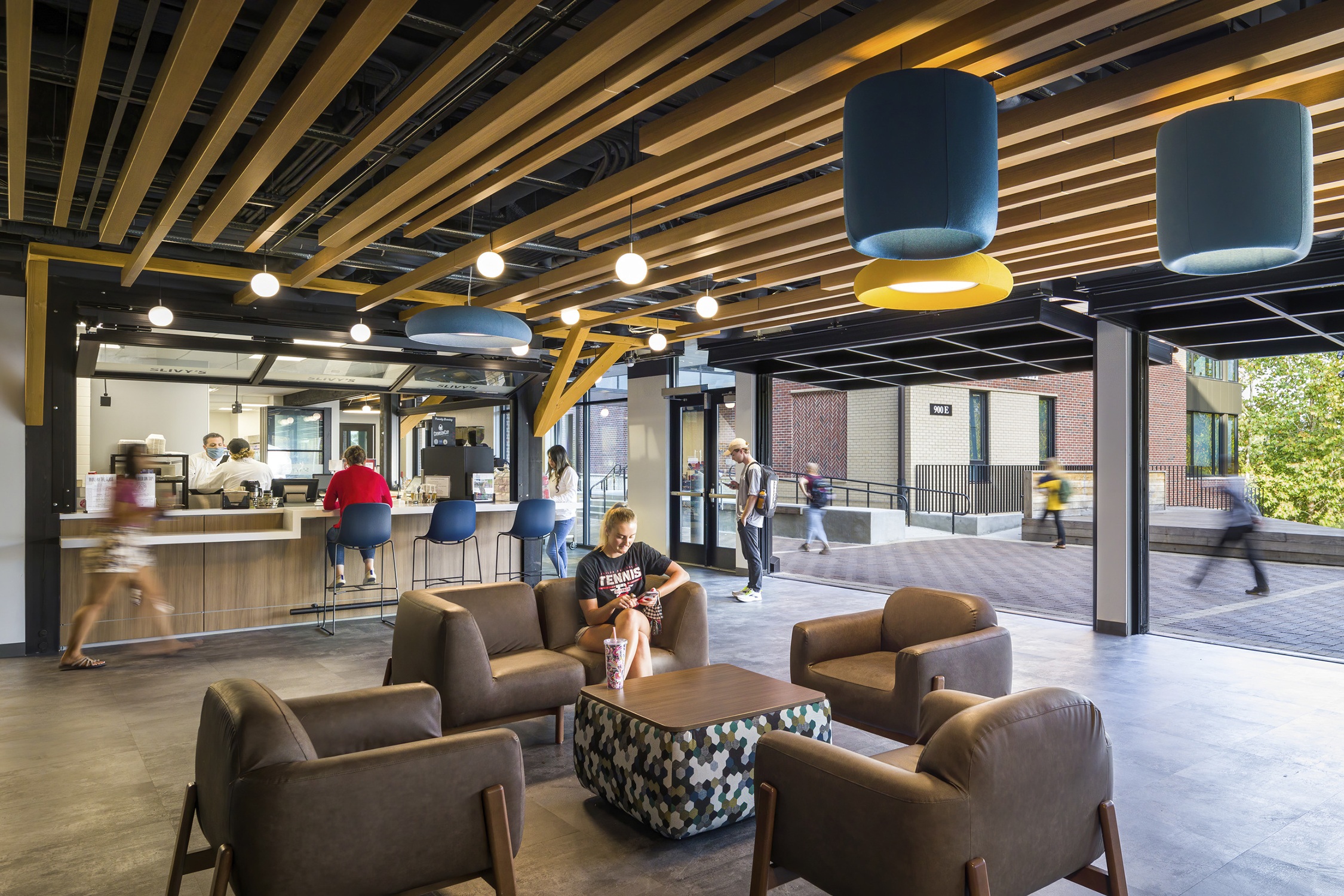
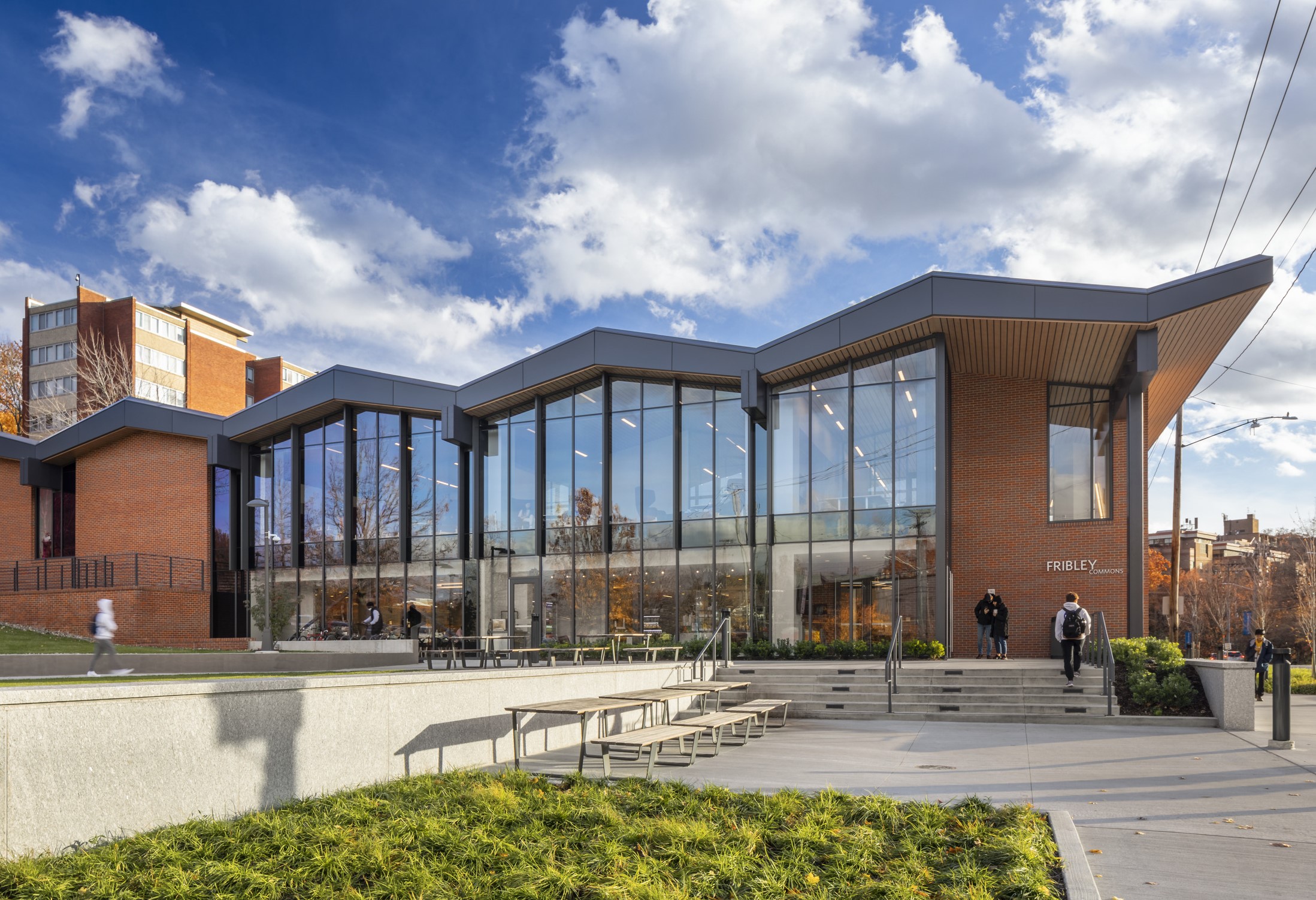
One trend in our current work is the inclusion of learning spaces, retail and other common amenities in the residence hall ground floor program to serve residents of the neighborhood, as well as the building. In each case, a portion of the ground floor is accessible to other neighborhood or campus residents, while other parts of the ground floor and the upper floors are restricted to building residents.

In studying the most memorable campuses in the world it is clear that each place has its own unique spirit and character. At the same time, it can be argued that great campuses share…

Ayers Saint Gross applies a high level of commitment to environmentally design all of our work. We are driven by the belief that high-quality built environments can be realized without depleting our natural resources.

How do you approach a sea change in the way architecture is drawn and documented? Most likely by testing the waters to get a sense of what may lie ahead. That was certainly the recommendation made by the technology committee at Ayers Saint Gross when it met several years ago to consider building information modeling or BIM.

Watch the transformation proposed in Marymount University’s 2010 Master Plan

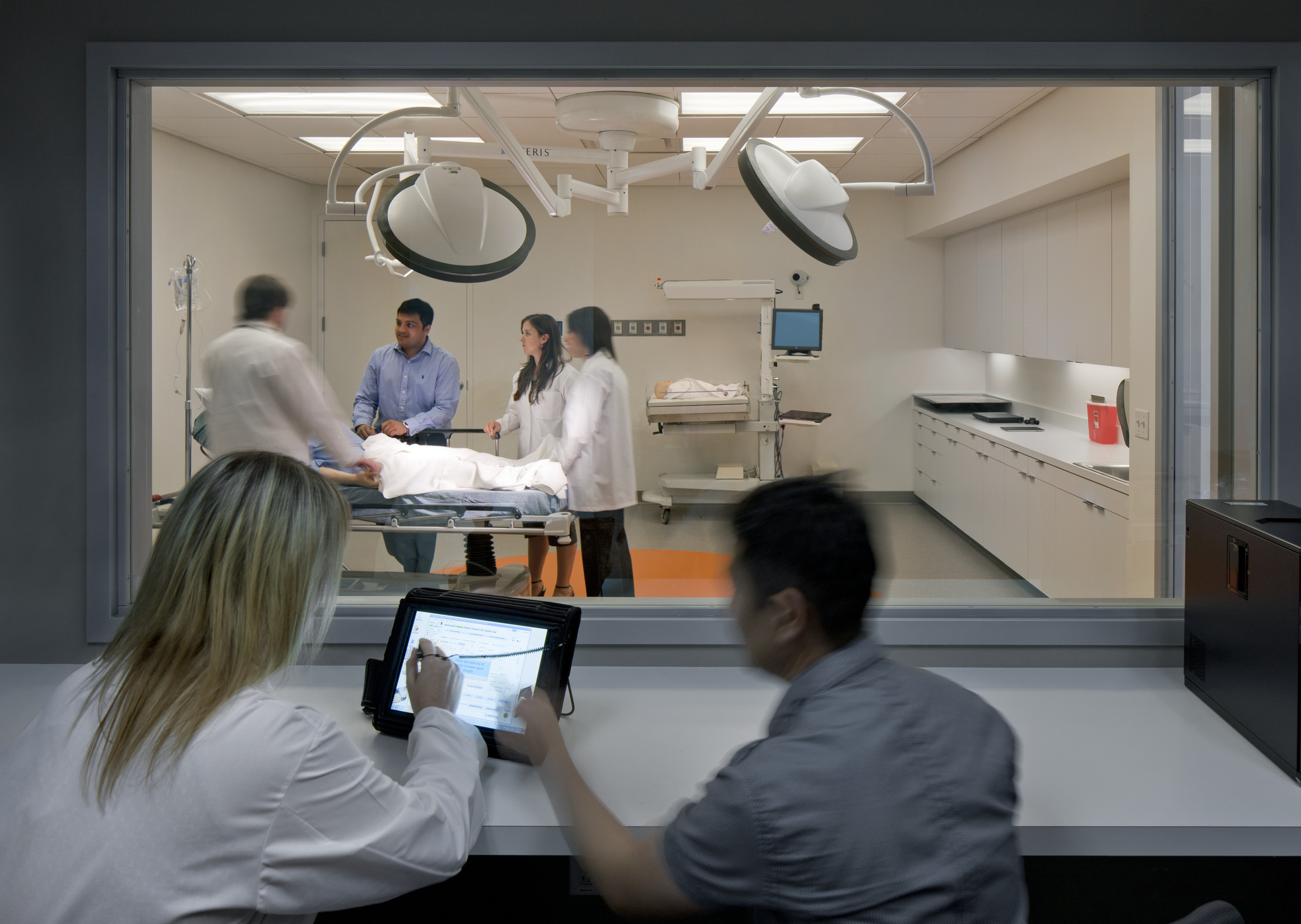
Budgets and endowments diminish during economic hard times, but the demand for effective teaching and learning environments remains as during campus boom years – and now is increasing.